

Choosing the right formwork system can make or break your concrete schedule. Many project teams face pressure to balance speed, finish quality, and structural demands without wasting time. At VIVA, we’ve spent over 30 years helping South African builders pick formwork systems that fit each stage’s needs—from lightweight panels for quick handling to heavy-duty walling and shoring. This guide breaks down formwork systems South Africa trusts, so your pours stay on track and finishes meet expectations.
Understanding Formwork Systems
Choosing a formwork system is crucial for any construction project. It directly impacts your project’s speed, quality, and budget.
Choosing the Right System
Start by identifying your project’s specific needs. Are you working on a high-rise building or a small residential project? This will guide your system choice. For quicker handling, lightweight panels are ideal. For more demanding work, heavy-duty options are better. Remember, the right formwork keeps your project on schedule.
Common Challenges in Selection
Many builders face confusion when choosing formwork. The pressure to maintain timelines while ensuring quality can be overwhelming. Often, teams struggle with balancing cost against durability and reusability. It’s critical to consider the entire project cycle. The wrong choice can lead to delays and increased costs.
Viva’s Expertise in South Africa
At Viva, we understand these challenges. With over three decades in the South African construction industry, we’ve become experts in providing tailored formwork solutions. Whether it’s for speed, quality, or complex structures, our systems are designed to meet your needs.
Comparing Formwork Types
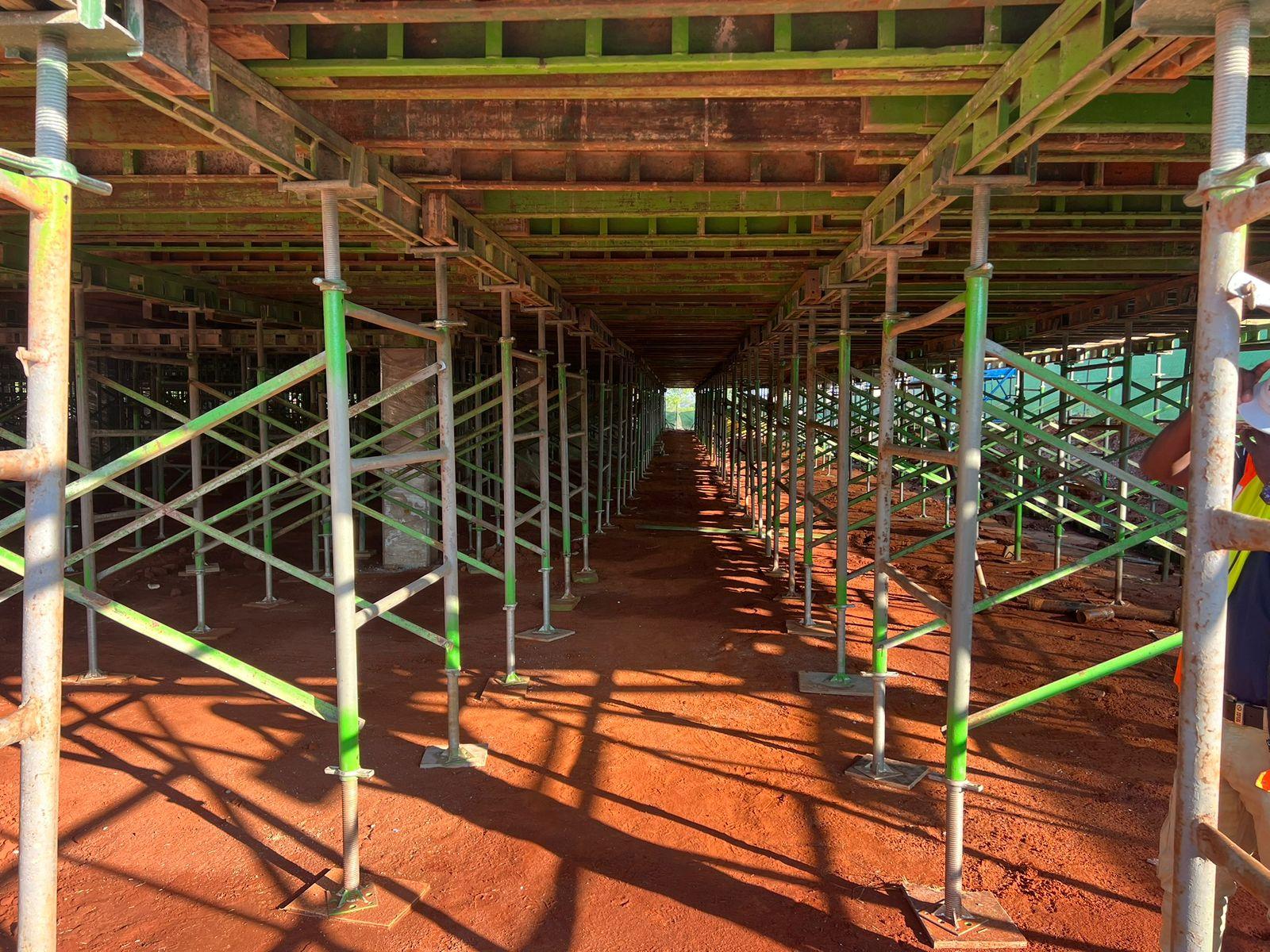
Various formwork types serve different purposes and understanding their uses is key.
Wall Formwork vs. Slab Formwork
Wall formwork is essential for vertical structures. It provides the necessary support for concrete walls. Conversely, slab formwork supports horizontal surfaces like floors and ceilings. Each type requires a different approach and set of materials.
Modular Panels and Their Benefits
Modular panels offer flexibility and efficiency. They’re easy to install and can be reused multiple times. These panels are perfect for projects that require quick assembly and disassembly. Their adaptability makes them a popular choice among contractors.
Heavy-Duty Options for Complex Projects
Complex projects often demand more robust solutions. Heavy-duty formwork is designed to handle high loads and extreme conditions. This type ensures stability and safety, even in the most challenging environments.
Practical Applications and Benefits
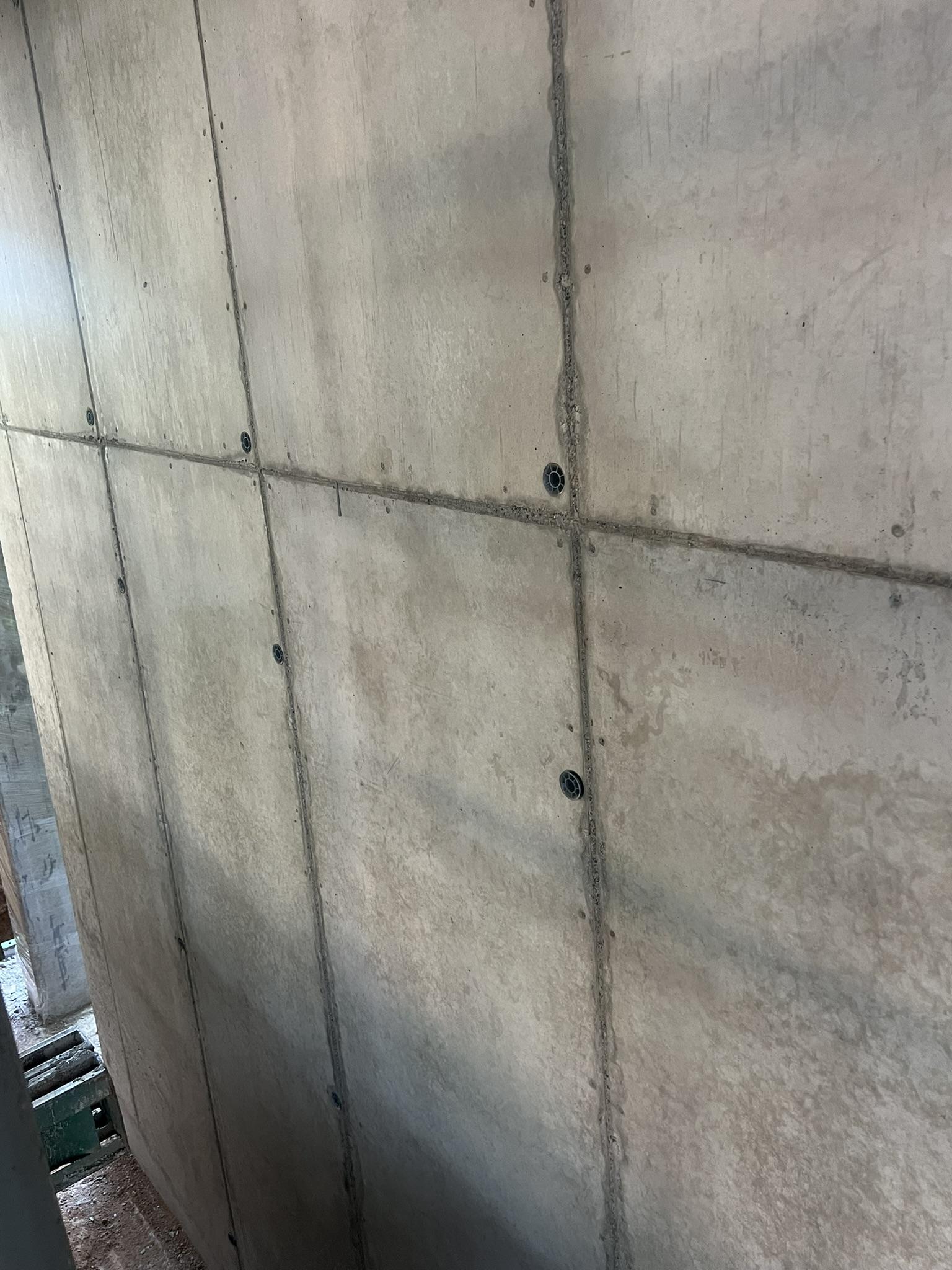
Understanding how different formwork systems work can enhance your project’s efficiency and quality.
Fast-Track Construction with Doka Frami
Doka Frami panels are ideal for fast-track construction. They’re lightweight yet strong, providing quick setup without compromising on quality. These panels help maintain your schedule by allowing faster assembly and disassembly.
High-Load Shoring and Kwikstage Staging
When dealing with heavy loads, high-load shoring systems are essential. Kwikstage staging offers reliable support for elevated workspaces. It’s versatile, adapting to various heights and configurations, ensuring safety and stability.
Turnkey Concrete Solutions for Safety and Quality
Turnkey solutions offer a comprehensive approach to formwork. They include everything from design to installation, ensuring safety and quality. With these solutions, you can focus on your project without worrying about formwork logistics.
Frequently Asked Questions
What is the main difference between wall and slab formwork?
Wall formwork supports vertical structures, while slab formwork supports horizontal surfaces like floors and ceilings.
Why are modular panels popular in construction?
Modular panels are favored for their flexibility and efficiency, allowing quick assembly, disassembly, and reuse, making them cost-effective.
How do turnkey solutions benefit construction projects?
Turnkey solutions provide a comprehensive approach, covering design to installation, ensuring safety, quality, and reducing logistical concerns.